Why Natural Soap Is Better For You

Written by the Crate 61 team, based on U.S. FDA guidance on soap and cosmetics and the sources linked below. We make natural soap ourselves, so we're not a neutral party. We've tried to be upfront about where natural soap helps and where it doesn't. This article is general information, not medical advice.
In today's age, people are more inclined to be healthy, sustainable, and environmentally friendly. In fact, the slow-living, eco-friendly, and low-impact lifestyle has become a global movement that encourages everyone to build a better life for themselves and the world around them. As more people move to reducing their impact and bettering their health, people everywhere have stopped to re-evaluate and redesign their lifestyle, often starting with the things that they use on a daily basis: their skincare products.
People are now questioning whether they should switch from liquid body washes and shampoos stored in plastic bottles to bar soaps. Actual soap promises less plastic, but what else? Are natural soaps better, and why use natural soap over what's already sitting on the shelf? We'll explain the difference between regular soap and natural soap, the benefits of organic and natural soap you can look forward to, and where the limits are.
At a glance:
- Natural Soap Benefits include a simpler ingredient list, plant-based oils and butters, and (in cold process bars) naturally retained glycerin
- Natural soap vs commercial soap: both clean, but they differ in ingredients, how they're made, packaging, and how they feel on skin
- An antibacterial soap bar isn't necessarily better: the FDA says there's no evidence that antibacterial soaps protect against illness better than plain soap and water
- A natural soap is made mainly from ingredients that come from nature, but "natural" and "organic" are not legally defined terms for soap, so the ingredient list matters more than the label
- Organic soap benefits are mostly about gentler, simpler formulas, not medical effects
- Homemade soap benefits include small-batch quality control and less plastic, but homemade isn't automatically better for your skin
- Crate 61 soap is handmade in Canada using the cold process method, on every bar we make
Organic Soaps Vs. Regular Soaps
The soap you choose affects both your skin and the environment. Many commercial cleansers are mass-produced with synthetic detergents and plastic packaging, while natural soaps use plant-based ingredients crafted in small batches through traditional methods. Understanding these differences can help you make a more informed decision about your daily skincare routine.
Commercially-Made Soaps
Regular or commercial soaps are the products that you typically find on the shelves of a superstore. Many are made with synthetic detergents and other ingredients, and most are mass-produced in factories owned by large multinational companies. Industrial manufacturing of any kind creates waste, and the quality of how that waste is handled varies by company and country.
Most commercial liquid cleansers are also made and bottled in plastic, which takes a very long time to break down. According to Euromonitor International, the United States alone produced 7.9 billion units of plastic packaging for beauty and personal care products in 2018. If that is scaled to Canada, it is estimated that Canada produces around 909 million packaging units for beauty and personal care products a year. That's an estimate, not a direct measurement, but it shows how much packaging the category creates.
Natural Soaps
Natural soap is different. It's produced on a smaller scale, in a different way, and with different ingredients. Natural soap products are made from natural ingredients, meaning they are found in nature or derived from living organisms like plants. These products are usually made in small batches by artisans, not large factories and machines, often through a process called the cold process method. The method uses oils and sodium hydroxide lye to create a chemical reaction called saponification.
| Natural products, defined: Ingredients found in nature or derived from living organisms - plant oils, butters, essential oils - rather than synthesized in a lab. In soap, that means the whole bar, not just one listed ingredient, is built this way. |
What Is a Natural Soap?
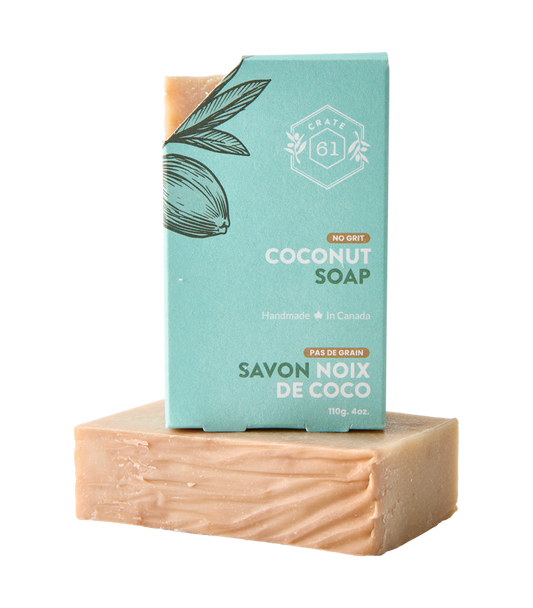
So what are natural soaps, exactly? In everyday use, a natural soap is a bar made mainly from plant oils and butters, lye, and, optionally, essential oils, clays, and botanicals, without synthetic detergents, dyes, or fragrances.
Here's the catch most brands don't mention: according to the U.S. Food and Drug Administration (FDA), the laws and regulations it enforces "do not have definitions for 'natural' or 'organic.'" The FDA also cautions that using only plant-derived ingredients doesn't automatically make a product safe. So "natural" on a label tells you about the maker's intent, not a legal standard. If "organic" matters to you, look for a recognized certification (in the U.S., the USDA National Organic Program) instead of relying on the word alone. And whichever words are on the front, read the ingredient list on the back. A real soap lists oils, butters, and salt-type ingredients. A "soap" built on synthetic detergents is technically a cosmetic cleanser, not a soap.

Natural Soap vs. Commercial Soap
Natural soap vs commercial soap isn't good versus bad. Both clean your skin, and plenty of people use commercial products without any trouble. The differences are in what's in the product and how it's made:
| Natural soap | Commercial soap or body wash | |
|---|---|---|
| Main cleaning ingredients | Plant oils and butters reacted with lye (saponification) | Often synthetic detergents (common in body washes and "beauty bars") |
| Glycerin | Naturally retained in cold process bars | Often removed or reduced |
| Scent | Usually essential oils, or unscented | Often synthetic fragrance |
| How it's made | Small batches, cured for several weeks | Large-scale factory production |
| Packaging | Bars often use paper or minimal packaging | Often plastic bottles and tubes |
| Possible downsides | Higher price, softer bars that need to dry between uses, quality varies by maker, essential oils can irritate | Can feel drying for some skin types, heavier fragrance, more packaging |
Under the FDA's definition, a product made with synthetic detergents is technically a cosmetic cleanser, not a "soap," which is why a lot of mainstream "soap" bars fall in that category.
The Benefits of Organic Soap
There are many benefits of natural soap and homemade soap benefits to choosing hand-crafted bars over a liquid body wash. Soap benefits start with cleaning: any soap lifts dirt, oil, and microbes off your skin so they rinse away. The natural soap benefits below are about how gently and simply it does that. Read more to learn about what the benefits of organic and natural soaps are, and what they aren't.
Organic Soap Is Healthier For You
Simply put, natural soap benefits include simpler, gentler skin care for many people. The ingredients used in a handmade soap bar tend to be shorter and simpler than what goes into mass-produced alternatives, which often include preservatives, dyes, petroleum-based lathering agents, and other synthetic compounds.
Natural soaps are real soap: fatty acids, salts, and maybe some essential oils and natural colorants. They're made by following a soap recipe and mixing oils and lye. After saponification occurs, you have handmade soaps that boast the natural benefits of plant butters, essential oils, and even activated charcoal. Keep in mind that "simple" and "natural" don't guarantee a soap is right for every skin type. Plant-based ingredients, including essential oils, can still irritate or cause allergic reactions in some people.
Is Homemade Soap Better for Your Skin?
Is homemade soap better for your skin? It can be, but not automatically. Here's the honest version.
The benefits of homemade soap:
- Simple, recognizable ingredients. You can see exactly which oils and butters go in.
- Retained glycerin. Cold process soap naturally contains glycerin, a humectant that attracts moisture to skin and is often removed from mass-produced bars.
- Quality control in small batches. A maker can adjust a recipe, and each batch gets individual attention.
- Less plastic. Bar soap generally uses less packaging than bottled body wash.
- No synthetic detergents in a true soap recipe.
Where homemade soap can fall short:
- Recipe errors. A bar with too much lye can irritate or burn skin, and a bar with too little may not cleanse well. Soap needs careful measuring and a proper cure of several weeks.
- Unregulated claims. The FDA notes that cosmetic makers are responsible for making sure their products are safe and properly labeled, which a casual home maker may not do.
- Individual sensitivities. Fragrance, essential oils, and botanicals can still irritate some skin.
The takeaway: a well-made, properly cured, clearly labeled handmade bar can be a great choice, especially for dry or sensitive skin, but "homemade" alone doesn't make soap better for your skin. If you'd like to try making your own, our guide to why cold process is the gold standard of natural soap is a good place to start.
Cruelty-Free & Animal-Friendly
As more people realize what their skincare products are made out of, they are also learning how they are made and tested. Some mass-market cleansers and their ingredients are tested on animals, depending on the brand and the market where they're sold.
If you are concerned about animal welfare, natural soap bars can be a good choice, but check each brand's own policy, since "natural" doesn't guarantee "cruelty-free." Crate 61 soaps are cruelty-free and made without animal-derived ingredients, using plant oils like coconut and palm instead of animal fat.
Moisturize Your Skin With Plant Oils
If you struggle with dry skin, you have likely searched everywhere for a solution. Many commercial cleansers advertise their moisturizing properties, but some leave skin drier than when you started. This can happen when they rely on synthetic detergents as the cleaning agent. While detergent is great for dishes and laundry, it can strip your skin of its natural oils, leading to dryness and irritation for some people.
Natural soap bars are a solid choice to moisturize your skin naturally. Most natural soaps include plant-derived base oils like coconut oil, palm oil, avocado oil, and shea butter, which are known for being emollient. Natural soaps also often retain glycerin. For more on choosing a bar for dry skin, see our guide to the best natural soaps for dry skin.
Glycerin, also known as glycerol, is a natural humectant that draws moisture into the skin, and it's been used in skincare for centuries. Some research has found glycerin beneficial for certain skin conditions, though results vary and it isn't a substitute for medical treatment where one is needed.
Natural Soaps and Skin Care
Where do natural soaps fit in a skin care routine? Think of them as the cleansing step, not a treatment. A gentle bar can clean your skin without leaving it feeling stripped, but it won't treat acne, eczema, or other skin conditions. The American Academy of Dermatology recommends a gentle, fragrance-free cleanser for dry or sensitive skin, short warm showers, and moisturizing right after washing while your skin is still damp. A natural bar can fit that routine well, especially one made with butters and oils, as long as you patch test it first. If you have a skin condition, check with a board-certified dermatologist before changing your routine.
Is Natural Soap an Antibacterial Soap Bar?
Not in the way "antibacterial soap bar" is usually meant. Some essential oils used in natural soap, such as tea tree and lavender, have antimicrobial properties in laboratory studies, but that doesn't mean a bar of soap will treat an infection or work as a disinfectant.
The more useful news is that you don't need an antibacterial soap bar to get clean. The U.S. FDA says there's no data showing that over-the-counter antibacterial soaps protect against illness better than plain soap and water, and in 2016 it removed 19 ingredients, including triclosan and triclocarban, from consumer antiseptic washes (including bar soaps and body washes) because manufacturers didn't show they were safe for long-term daily use or more effective than plain soap and water. FDA rules apply in the U.S., and regulations differ by country, so check the rules where you live. Washing with plain soap and water lifts germs off your skin so they rinse away, which is why the FDA calls handwashing one of the most effective ways to prevent the spread of germs.
Delightful, Natural Scents
While clean and healthy skin is an important consideration when it comes to selecting a soap, smell also plays a big role. We want to feel clean and smell great when we use soap.
Many mass-produced soaps use synthetic fragrance blends, which can bother people with sensitive skin or fragrance allergies. Natural soap makers typically scent their bars with essential oils, which tend to give lighter, more delicate fragrances. Essential oils aren't risk-free, though. Citrus and some other oils can irritate sensitive skin, so patch test a new bar, and choose an unscented one if your skin is reactive.
Best Natural Bar Soap for Men
Is there a best natural bar soap for men? Soap isn't truly gendered, and the best bar for you depends on your skin, not your gender. That said, on average men's skin tends to be thicker and oilier, and many men are looking for a good all-over bar for the body, face, and post-shave skin. Here's what to look for:
- Skin type first. Oily or combination skin tends to do well with a cleansing bar. Dry or sensitive skin does better with a gentler one with butters and oils.
- Scent you like. Natural bars are scented with essential oils, so woodsy, earthy, and fresh scents are easy to find. If you like those, try our Cedarwood & Pine, Alpine & Spice, or Eucamint bars, and check each product's ingredient list.
- Light exfoliation, if you want it. Our Oatmeal Shea Bar Soap is a medium-grit bar made with oatmeal, shea butter, and activated charcoal, with no fragrance listed.
- No harsh detergents or heavy fragrance, especially on skin that's just been shaved.
Natural Soap Brands: How to Choose
There are a lot of natural soap brands to choose from, and since "natural" isn't a regulated term, here's how to compare them fairly, including us:
- Read the full ingredient list. Look for oils, butters, and salts, and be cautious of "natural" bars that list synthetic detergents or fragrance.
- Check the scent source. Essential oils or "fragrance"? If your skin is sensitive, unscented is safest.
- Look for transparency. Good brands say how they make their soap, where, and what's in it.
- Look for real certifications if you care about organic, vegan, or cruelty-free claims, and treat unverified "organic" labels with caution.
- Match the bar to your skin, not the marketing. For help, see our guides on what makes a soap truly natural and natural soap for sensitive skin.
Try Our Natural Soaps Today
We know that many people are trying to take the steps to live a healthier, more sustainable life. We have this goal for ourselves, too. That's how Crate 61 soap was first founded. We started making handmade soap to create simple, natural body and beauty bars for our family. Now, we make natural soap for people all across Canada, using the cold process method on every bar.
If you're ready to try the benefits of natural soap for yourself, browse our collection of handmade bar soaps today.
Sources:
- U.S. Food and Drug Administration. Frequently Asked Questions on Soap.
- U.S. Food and Drug Administration. Skip the Antibacterial Soap; Use Plain Soap and Water.
- American Academy of Dermatology. Dermatologists' top tips for relieving dry skin.
- Euromonitor International. Beauty and Personal Care Packaging in the US.
- The Star (2021). How can beauty fix its giant waste problem?
- ScienceDaily (2003). Glycerin research.
Check out our
Related Products